
Dealing With Insurance Adjusters On Hail Damage in Newtown
When severe weather strikes your property, the aftermath can be overwhelming. Many homeowners, eager to return to normalcy, make critical mistakes in preparing damage claims that can cost thousands of dollars in lost insurance compensation. Whether dealing with wind damage, hail impact, or flooding, understanding what not to do after storm damage is just as important as knowing the proper steps to take. These missteps can significantly impact your wind damage insurance claim and delay your recovery process.
Key Takeaways
- Document all damage immediately with photos and videos before making any repairs
- Contact your insurance company promptly, but avoid accepting the first settlement offer
- Secure temporary repairs to prevent further damage while avoiding permanent fixes before inspection
- Work with qualified professionals, including a storm damage adjuster for complex claims
- Keep detailed records of all expenses, communications, and repair estimates
- Understand your policy coverage before signing any agreements with contractors or insurance companies
Failing to Document Damage Properly
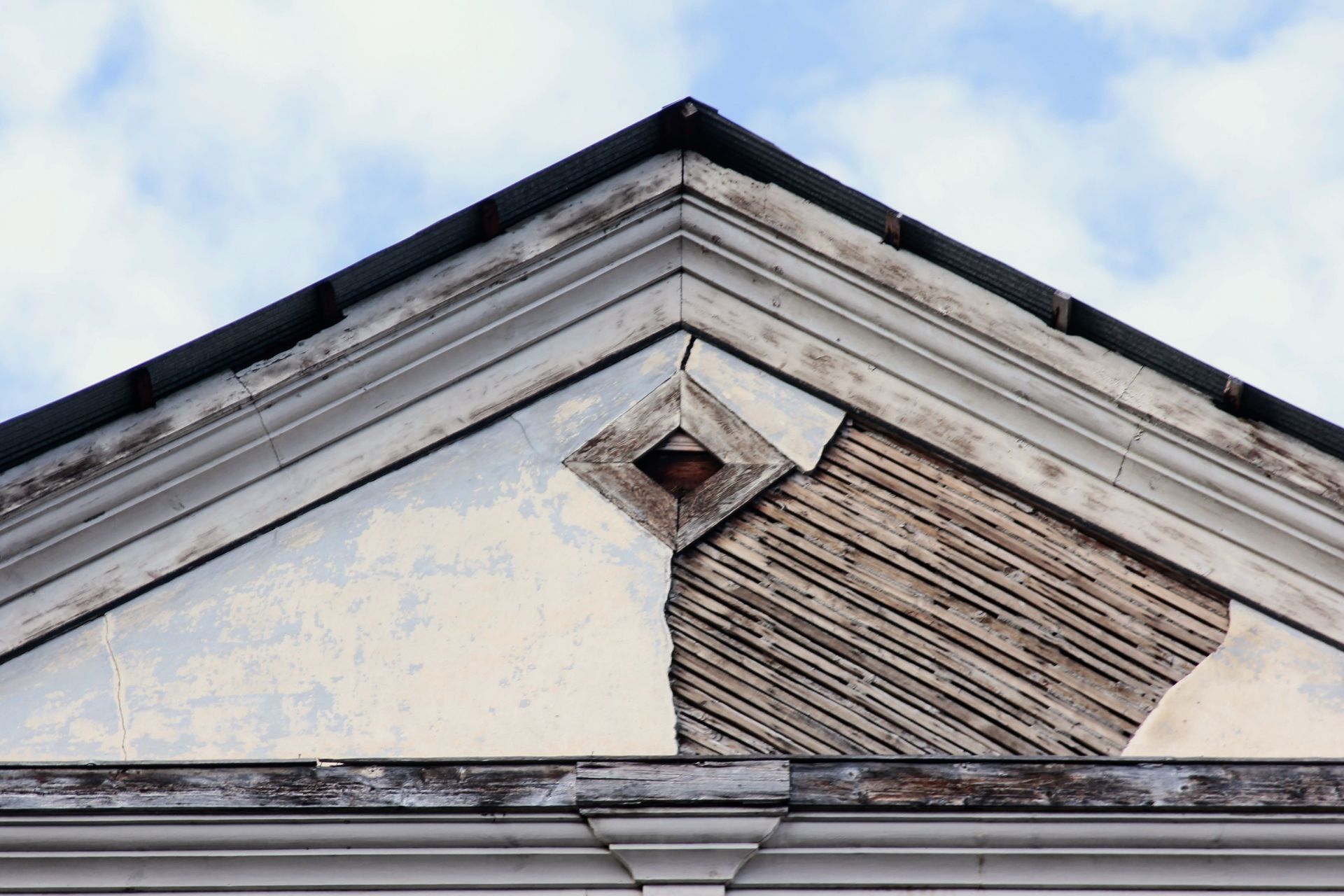
One of the most costly mistakes homeowners make is inadequate documentation of storm damage. In the chaos following a severe weather event, many property owners either forget to take photos or capture insufficient evidence of the destruction.
Professional storm damage adjusters recommend comprehensive visual evidence from multiple angles. Insurance companies often challenge claims that lack sufficient documentation, making thorough records your first line of defense against underpayment.
Critical Documentation Steps:
- Photograph damage immediately before any cleanup or repairs: Capture images while debris and scattered materials show impact severity. Clean-up can eliminate evidence of storm intensity.
- Take wide-angle shots showing the full scope of damage: Insurance adjusters need context to understand the overall impact. Close-ups alone don't tell the complete story.
- Capture close-up images of specific damaged items and areas: Detail shots help prove the extent of individual damages and support repair cost estimates.
- Record video walkthroughs narrating the damage you observe: Video provides context that still photos cannot capture. Your narration helps explain what adjusters are seeing.
- Document serial numbers and model information for damaged appliances: This information speeds the claims process and ensures accurate replacement cost calculations.
Store all digital files in multiple locations, including cloud storage. Date stamps and location data strengthen your claim's credibility when negotiations begin.
Delaying Insurance Notification
Time is critical when filing storm damage claims. Many insurance policies require notification within 24 to 72 hours after the incident. However, reporting quickly doesn't mean accepting the first assessment. A qualified storm damage adjuster can help ensure all damage is properly identified during this critical phase.
Key Notification Guidelines:
- Contact your insurance company immediately: Most policies require notification within 24-72 hours. Delays can result in claim denials regardless of damage extent.
- Provide only factual information about the incident: Avoid speculating about causes or downplaying damage. Comments like 'it's not too bad' can be used against you.
- Don't accept pressure for immediate settlement decisions: Initial evaluations often underestimate wind damage and structural issues that aren't immediately visible.
Remember that your insurance company's adjuster works for them, not you. Consider consulting with a public adjuster near me who specializes in storm damage claims to level the playing field.
Making Permanent Repairs Before Professional Assessment
While protecting your property from further damage is essential, making permanent repairs before a thorough professional assessment can be costly. Insurance companies and professional adjusters need to evaluate damage in its post-storm condition to determine appropriate compensation.
The key distinction lies between emergency temporary protective measures and permanent restoration work. Temporary measures prevent additional damage while preserving evidence needed for accurate claim assessment. Professional roof damage insurance adjusters frequently encounter situations where homeowners have replaced damaged materials before proper assessment, making it impossible to determine the original extent of damage.
Emergency protective measures should be documented thoroughly with photographs and receipts. Most policies reimburse reasonable costs for temporary protection, but permanent repairs made before a professional assessment may not be covered at full replacement value.
| Appropriate Temporary Measures | Avoid Before Assessment |
|---|---|
| Tarping damaged roofs | Replacing damaged roofing materials |
| Boarding up broken windows | Installing new windows or doors |
| Removing standing water | Repairing structural damage |
| Securing loose materials | Replacing damaged siding |
Accepting the First Settlement Offer
Insurance companies often present initial settlement offers that appear generous but may not cover the full extent of damage. Many homeowners accept these first offers without proper evaluation.
The insurance industry operates on the principle that most policyholders will accept initial offers without question. Professional storm damage adjusters can identify issues that increase settlements substantially.
Common Settlement Shortfalls:
- Inadequate assessment of hidden wind damage: Structural issues and compromised building integrity often aren't visible during quick initial inspections.
- Missing matching and code upgrade costs: When materials are discontinued or building codes have changed, replacement costs can exceed initial estimates significantly.
- Undervalued hail damage claim help requirements: Hail impact creates damage patterns that require experienced evaluation to identify all affected areas and materials.
Before accepting any settlement, obtain multiple repair estimates from licensed contractors and consider consulting with a roof damage insurance adjuster for an independent assessment. Insurance settlements are negotiations, not final determinations.
Choosing Contractors Based on Price Alone
In the aftermath of severe storms, numerous contractors appear offering repair services. Unfortunately, many homeowners make the mistake of selecting contractors based solely on the lowest bid, which can lead to substandard work, additional costs, and insurance complications.
Quality contractors understand insurance processes and can work effectively with adjusters to ensure repairs meet industry standards. They should be licensed, bonded, and insured, with verifiable references from recent storm damage projects in your area. Experienced storm restoration contractors know how to navigate the claims process and can often help identify additional damage that increases your settlement.
Storm-chasing contractors often lack proper licensing or local knowledge. Reputable contractors maintain an established business presence with verifiable addresses and should be willing to work directly with your insurance company. They understand local building codes, permit requirements, and can provide warranties on their work that out-of-state contractors cannot honor.
Warning Signs of Problematic Contractors:
- Going door-to-door immediately after storms
- Demanding large upfront payments
- Cannot provide local references
- Offering to waive insurance deductibles
- Pressuring for immediate decisions
Contractor Selection Criteria:
- Valid local licenses and current insurance coverage
- Established local business presence with verifiable address
- Recent references from similar storm damage projects
- Experience working with insurance companies and adjusters
- Written estimates that match insurance adjuster assessments
Poor Record Keeping and Communication
Maintaining detailed records throughout the claims process is critical for successful resolution. Many homeowners fail to document conversations or lose important receipts.
Professional adjusters maintain organized files for each case. Homeowners should adopt similar practices to ensure nothing gets lost during lengthy claim processes.
Essential Records to Maintain:
- All photographs and videos with dates: Digital files should include metadata and timestamps. Store copies in multiple locations, including cloud storage.
- Insurance correspondence and policy documents: Keep every email, letter, and policy page. This documentation proves what was promised and when.
- Receipts for repairs and expenses: Emergency repairs, hotel stays, and meal costs may be reimbursable under your policy's additional living expenses coverage.
- Contractor estimates and communication log: Document every phone call with dates, times, and participants. These records become invaluable if disputes arise.
Not Understanding Policy Coverage
Many homeowners in New Jersey and Pennsylvania discover too late that they misunderstood their insurance coverage. Common misconceptions include assuming flood damage is covered under standard homeowner policies, believing that all wind damage is automatically covered, or not understanding deductible structures.
Insurance policies contain specific language defining covered perils, exclusions, and coverage limits. Wind damage and hail damage claims help often requires understanding policy language that determines whether damage qualifies for coverage. Deductible structures can be particularly confusing, with some policies having separate wind and hail deductibles calculated as percentages rather than fixed amounts. A one percent wind deductible on a $300,000 home means you're responsible for the first $3,000 of repairs.
Review your policy carefully before storms occur, paying special attention to exclusions, coverage limits, and deductible amounts. Understanding replacement cost versus actual cash value coverage can mean thousands of dollars' difference in settlement amounts. Replacement cost coverage pays current prices for materials and labor, while actual cash value deducts depreciation, potentially leaving you significantly undercompensated.
If policy language is confusing, seek clarification from your insurance agent or consider consulting with a qualified public adjuster who can explain coverage in practical terms and help maximize your claim within policy limits.
Frequently Asked Questions
How quickly should I contact my insurance company after storm damage?
Contact your insurance company within 24-48 hours of the storm or as soon as safely possible. Most policies require prompt notification, and delays can complicate or invalidate your claim.
Can I make temporary repairs before the adjuster arrives?
Yes, you should make temporary repairs to prevent further damage, such as tarping roofs or boarding windows. Document these repairs with photos and save all receipts for reimbursement.
When should I consider hiring a public adjuster?
Consider a public adjuster for complex claims, significant damage, or when you disagree with your insurance company's assessment. They can help ensure you receive fair compensation for your losses.
What if my insurance company denies my wind damage claim?
Request a detailed written explanation for the denial and review your policy carefully. You can appeal the decision, provide additional documentation, or seek help from a storm damage adjuster.
How long do I have to file a storm damage claim?
Most policies require claims to be filed within one to two years of the damage occurring. However, it's best to file as soon as possible after documenting the damage thoroughly.
Final Thoughts
Avoiding these common mistakes can save homeowners thousands of dollars and reduce stress during an already challenging time. The key to successful storm damage recovery lies in prompt action, thorough documentation, and working with qualified professionals who understand the insurance process. Whether you need hail damage claim help, assistance with wind damage assessments, or guidance through complex policy requirements, having experienced professionals on your side makes a significant difference in claim outcomes. Remember that your insurance policy is a contract designed to restore your property to its pre-loss condition, and you have the right to fair treatment and complete restoration of your home.
Maximize your storm damage claim. Contact our public adjusters for a free evaluation today.
Reference:
https://www.hanover.com/resources/tips-individuals-and-businesses/prepare-now-learn-how/understanding-wind-deductibles